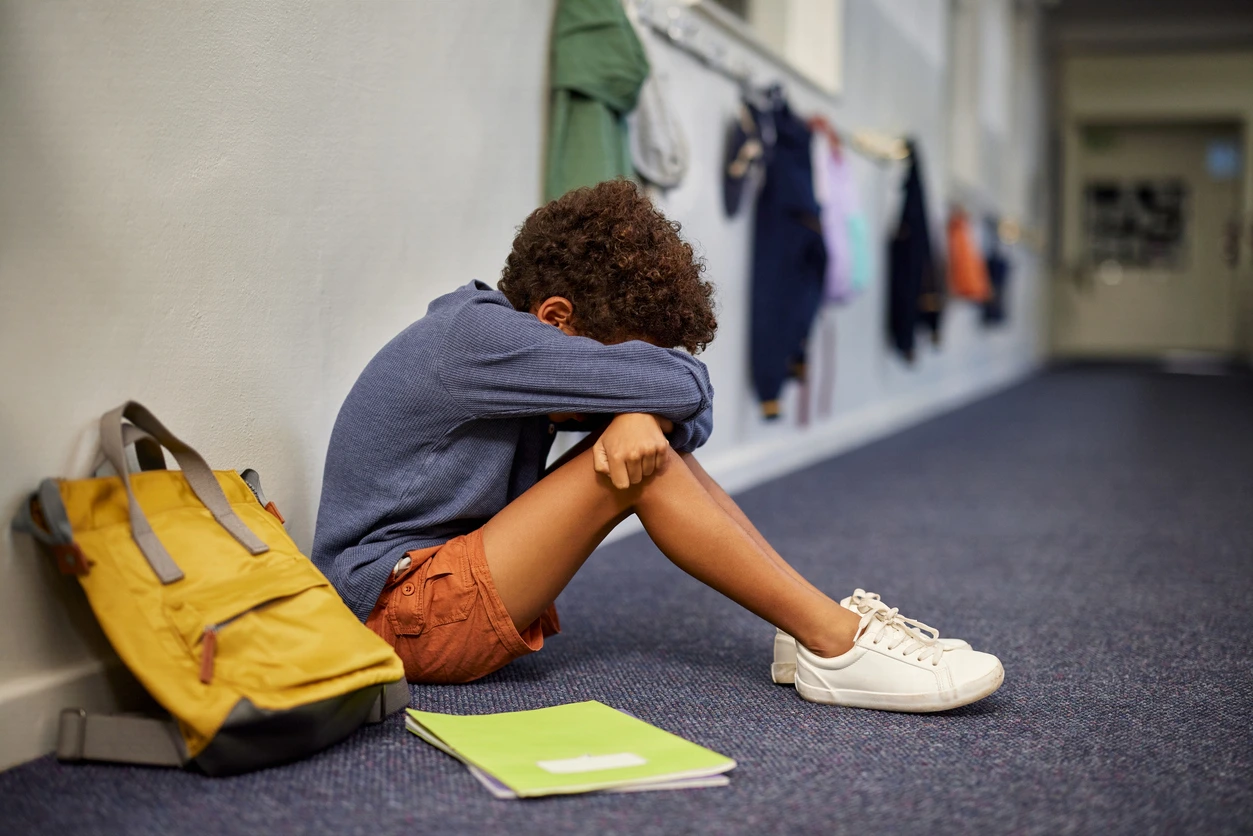

Anxiety in children doesn’t always look like worry. More often, it shows up in small, easy-to-miss ways, irritability, avoidance, physical complaints, or reactions that seem bigger than the situation. Many parents notice something feels off before they can explain why.
Anxiety in children rarely looks the way people expect. It does not always show up as fear. More often, it appears in everyday moments. A child may hesitate at drop-off, avoid activities they used to enjoy, or react strongly to small changes in routine. These patterns can develop gradually, which makes them harder to recognize.
Without that connection, progress can feel slow or inconsistent.
Anxiety tends to show up across emotions, the body, and behaviour. Not every child experiences all of these, but patterns often emerge over time.
Some children express anxiety through constant worry. They may ask the same questions repeatedly or need frequent reassurance.
Others seem more tense or overwhelmed than usual. Small challenges can lead to bigger emotional reactions, and it may take longer for them to settle afterward.
In some cases, the intensity stands out. The fear or worry feels much bigger than the situation itself, even if the child cannot explain why.
Anxiety often shows up physically before it is understood emotionally. Children may complain of stomach aches, headaches, or feeling unwell, especially before school or specific activities. These symptoms can come and go without a clear medical cause. Sleep can also be affected. Some children struggle to fall asleep, while others wake during the night or seem more tired during the day.
There are moments where the body reacts quickly. A racing heart, dizziness, or sudden discomfort can appear, which can be confusing for both the child and parent.
Behaviour is often where anxiety becomes most visible. A child may begin avoiding situations they previously handled well, such as attending school or participating in social activities. Younger children may become more clingy or have difficulty separating from a caregiver.
Other children respond differently. Instead of withdrawing, they may have more frequent emotional outbursts or appear oppositional. What looks like defiance is often a response to feeling overwhelmed, especially when the child doesn’t yet have a way to explain what’s happening internally.
Anxiety in children is often missed in the early stages because it does not always look like anxiety. It can show up as behaviour, such as irritability, avoidance, or emotional outbursts. Younger children may not have the language to explain what they are feeling, which makes it harder to identify.
In many cases, anxiety develops gradually. The changes are subtle at first, which makes them easy to overlook.
A child’s age and developmental stage shape how anxiety appears. Younger children are more likely to show separation anxiety, fear of unfamiliar situations, or distress during transitions. Clinginess and difficulty attending school can also be common.
Older children may experience anxiety in ways that are less visible at first. This can include excessive worry about school performance, friendships, or social situations. Some may begin avoiding activities or withdrawing from others.
Recognizing these differences helps parents respond in ways that are more effective and supportive.
Worry and fear are a normal part of childhood. The difference is in how long it lasts and how much it affects daily life. If anxiety continues for several weeks, shows up across multiple settings (home, school, social), or begins to limit what your child is willing or able to do, it may be more than a passing phase.
Parents often notice that their child is not bouncing back in the same way. Situations that once felt manageable start to feel overwhelming.
Anxiety can develop for different reasons, and often there is no single cause.
Some children are more sensitive to stress or change. Others may develop anxiety after specific experiences, such as transitions at school or changes within the family.
In many cases, it is a combination of factors. A child’s temperament, environment, and experiences all play a role in how anxiety develops.
Helping an anxious child does not mean removing every source of stress. It means helping them feel capable of moving through it, with support. One of the most important things a parent can do is stay steady during emotional moments. Children often look to adults to understand how to respond. A calm, consistent reaction can help regulate that experience.
It also helps to acknowledge what the child is feeling without rushing to fix it. Feeling understood makes it easier for children to stay engaged instead of shutting down or escalating.
Encouraging small steps forward, rather than avoidance, can gradually build confidence. Progress may feel slow, but it is meaningful.
Consistency at home matters. Predictable routines and responses create a sense of stability that supports emotional regulation over time.
Some anxiety improves with time and support at home. Some do not. The shift is usually seen in how much it affects daily life. If a child is regularly avoiding school, struggling to sleep, or becoming overwhelmed in situations they previously managed, it may be time to look more closely. Anxiety that becomes more intense, more frequent, or harder to recover from is another signal. Seeking support early can help prevent patterns from becoming more established.
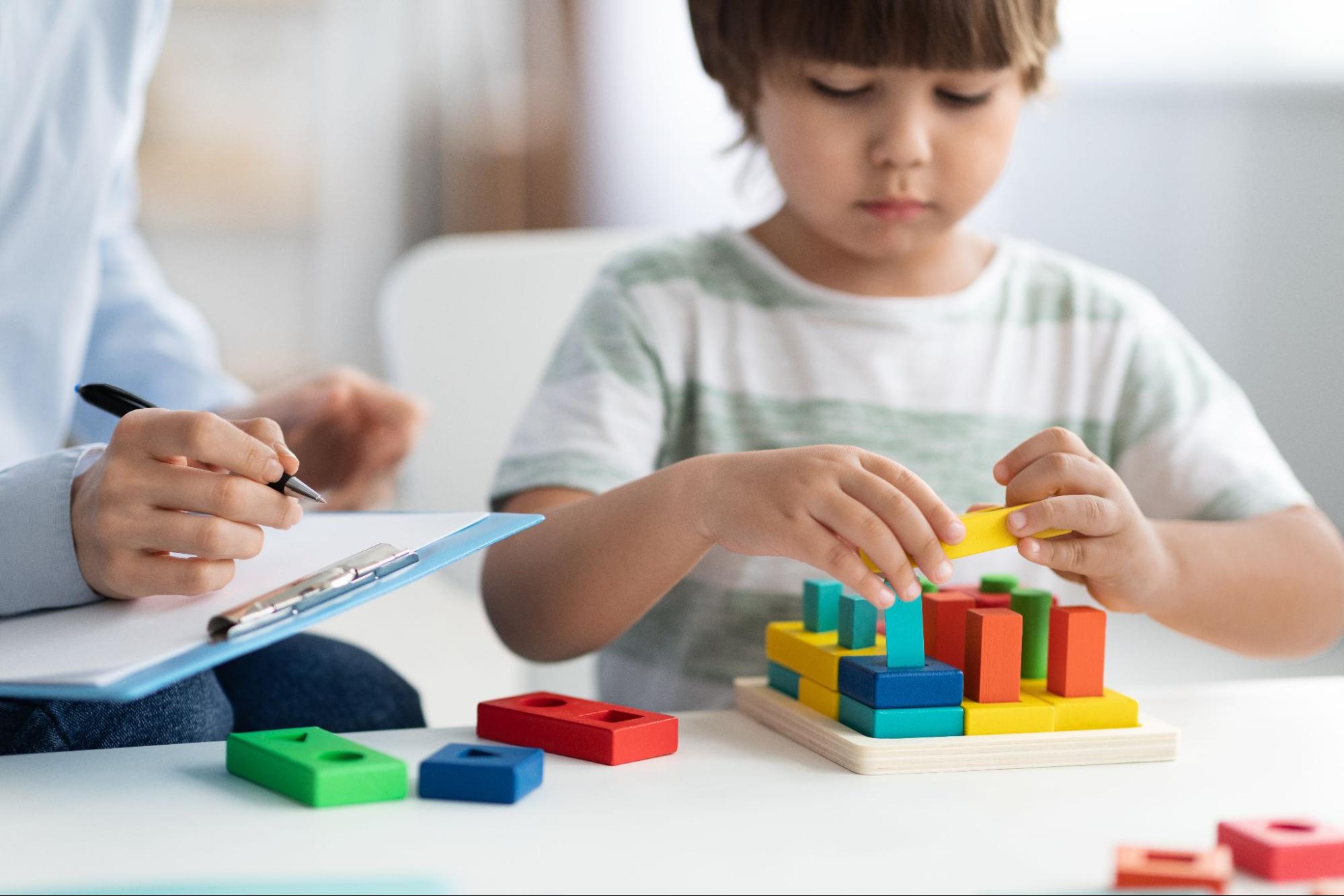
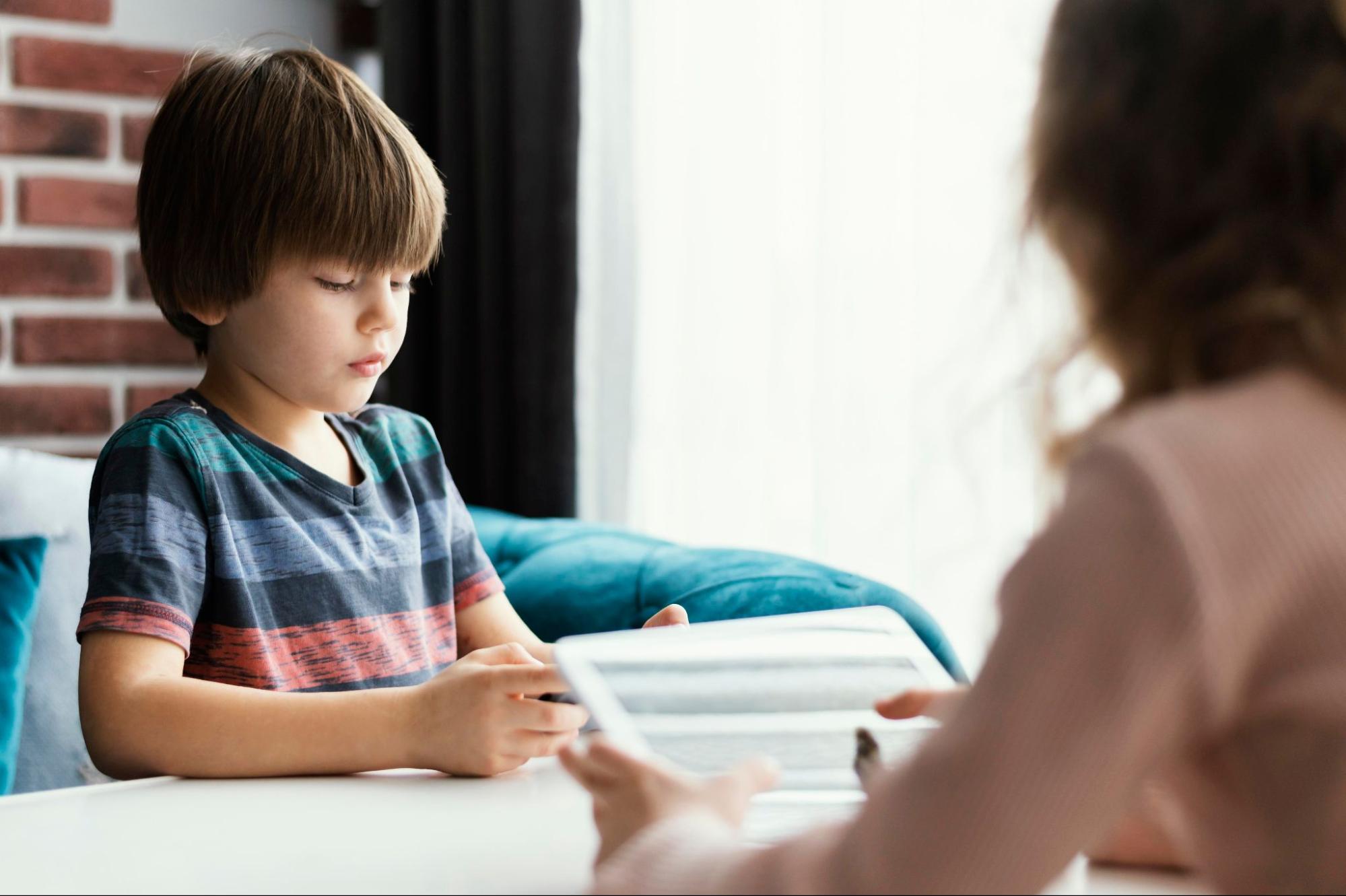
Child therapy provides a structured space for children to understand and manage anxiety. Through approaches such as play therapy, children can express what they are experiencing, develop coping skills, and learn how to respond to anxiety in healthier ways.
Therapy also supports parents. It helps them understand what is driving the child’s anxiety and how to respond more effectively in everyday situations.
At Steady Heart Counselling, child therapy is tailored to each child’s needs, developmental stage, and experiences.
The process is collaborative. Therapists work with both the child and the parent to understand patterns, build practical strategies, and support change across environments. This approach helps children develop emotional regulation, build coping skills, and feel more confident in their daily lives.
If you’re unsure whether what you’re seeing is anxiety, we can talk it through. I offer a short consultation to help you get a clearer sense of what’s going on and what might help.