
Warm, caring, creative, and playful – supporting children as they express their emotions.
For me, success with children begins by engaging them in their world and meeting them where they are.
Paul Cellarius (RCC, CCC, MA) – Certified Child Therapist in Victoria, BC
Child therapy gives children a safe, caring space to express themselves and make sense of their feelings. I provide child therapy in Victoria for children ages 5 to 12, supporting them through anxiety, school-related stress, difficult family transitions, trauma, and behavioural challenges.
My approach draws on play therapy, depth psychology, and Acceptance and Commitment Therapy (ACT), adapted to each child’s age, temperament, and needs. Alongside individual sessions with your child, I also work closely with parents and caregivers. This helps you better understand what your child may be experiencing and how to respond at home in ways that build connection, safety, and emotional ease. Supporting the whole family is part of the work, not an afterthought. For some families, family therapy may also become a helpful next step.
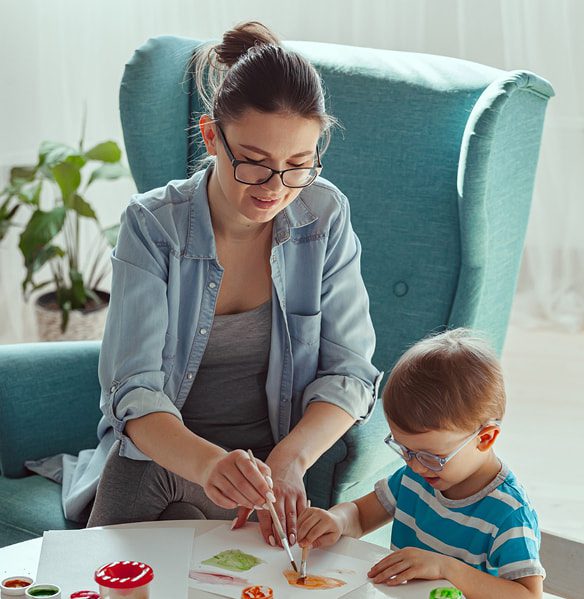
Play therapy is a child-centered approach to counselling that uses play drawing, storytelling, imaginative scenarios, and creative expression as the primary language of the session. For children, play is not just fun; it is how they process experience, communicate feelings, and make sense of their world.
Play therapy is especially helpful for children who find it difficult to talk directly about what they are feeling, or who have been through something stressful or upsetting. Rather than asking a child to sit and explain their emotions, play therapy creates a safe, low-pressure space where expression and healing can unfold naturally.
Sessions may involve drawing, storytelling, or other age-appropriate activities chosen based on what feels most natural and comfortable for each child. The goal is always to help your child feel understood, build emotional regulation, and develop confidence in themselves.

Play therapy is effective for a wide range of challenges children face. Common concerns include:


Paul Cellarius (RCC, CCC, MA)
I work with children who are feeling overwhelmed or unsure of themselves and who need a calm, supportive space to express what they are experiencing. In child therapy, my focus is on meeting each child where they are and moving at a pace that feels safe and manageable for them.
My training is in depth psychology through Pacifica Graduate Institute, and I am also trained in Acceptance and Commitment Therapy (ACT) and Motivational Interviewing. I have worked with children and adolescents in school and community settings, and I am often described as steady and attentive when emotions are strong. I also involve parents in the process to help support children outside of therapy.
If you are seeking a counsellor who is present, warm, and genuinely committed to your child’s well-being, I would be glad to work with your family.
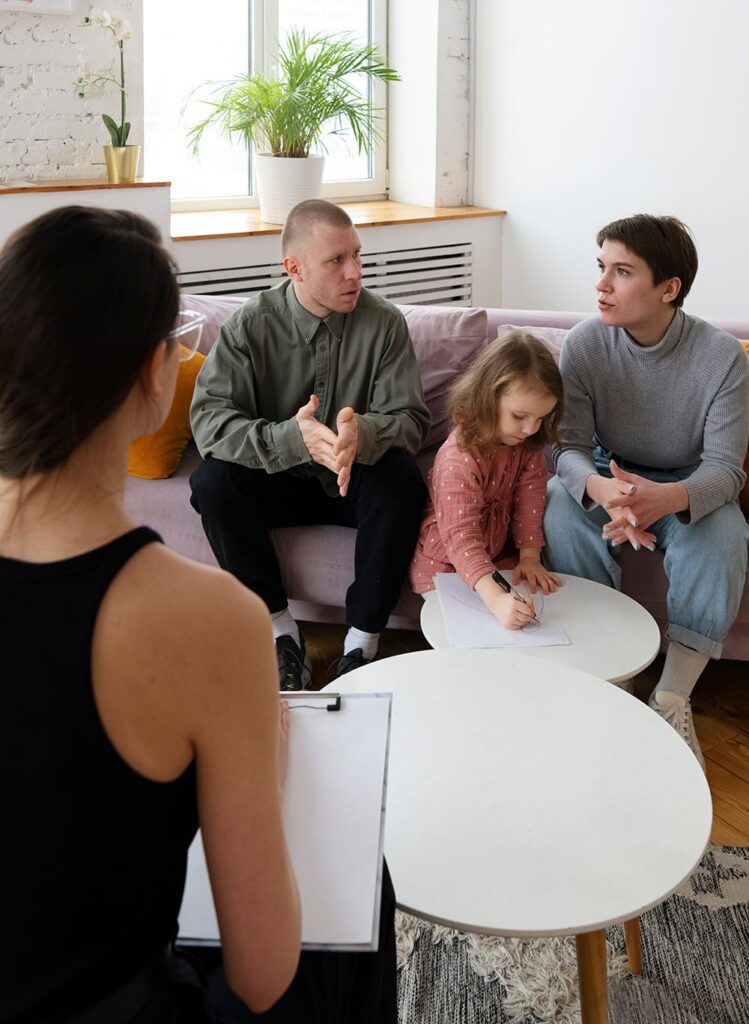
Child therapy usually begins with a parent taking a session without your child present, where we discuss what you are noticing, your child’s history, and what you hope to see change. This gives me the context I need before meeting your child, and gives you a chance to ask questions.
From there, I meet with your child individually, using play, art, and conversation as the session calls for. Most sessions are 50 minutes. I work with children from age 5 upward, and adapt the approach based on developmental stage and what each child responds to.
Throughout the process, I check in with parents regularly sharing what themes are emerging in sessions (without breaking your child’s trust) and offering practical guidance on how to support them at home. The work in the therapy room is most effective when it connects to what happens in everyday family life.
Sessions are available in person at the Victoria office, or virtually for families across British Columbia. Reach out to book a free 15-minute consultation or to ask whether this might be a good fit for your child.
Child therapy is a form of counseling that helps children understand and express their emotions, build coping skills, and navigate emotional or behavioural challenges. Child therapists use age-appropriate approaches such as play therapy, expressive therapies, and art therapy to support children in a safe, supportive environment.
If your child is experiencing persistent anxiety, depression, behavioral issues, difficulty with social interactions, sudden mood changes, or struggles in school, therapy may be beneficial. Other signs include difficulty coping with major life changes, such as divorce, trauma, or loss. A consultation with a therapist can help determine if therapy is the right step.
The best type of therapy for children depends on their age, personality, and the challenges they’re facing. Many children benefit from play therapy and expressive therapies, which allow them to explore feelings, experiences, and big emotions through play, art, and creativity rather than relying only on words.
I work primarily with children ages 5 to 12. For teenagers, I offer dedicated teen counselling. If you are unsure whether child or teen therapy is the right fit, feel free to reach out and we can talk it through.
Very involved. Child therapy at Steady Heart Counselling includes regular parent check-ins so you understand what is happening in sessions and can support your child at home. I also offer practical guidance to parents on communication, routines, and how to respond to big emotions. Your role as a caregiver is one of the most important parts of the process.
Yes. Online child therapy sessions are available for families.Virtual sessions are held through a secure video platform and can be a good fit for older children who are comfortable on screen. For younger children, in-person sessions at the Victoria office are often preferable so we can discuss what makes sense for your child.
I do not accept insurance, but I can furnish a superbill so that my clients can collect from their insurance providers.