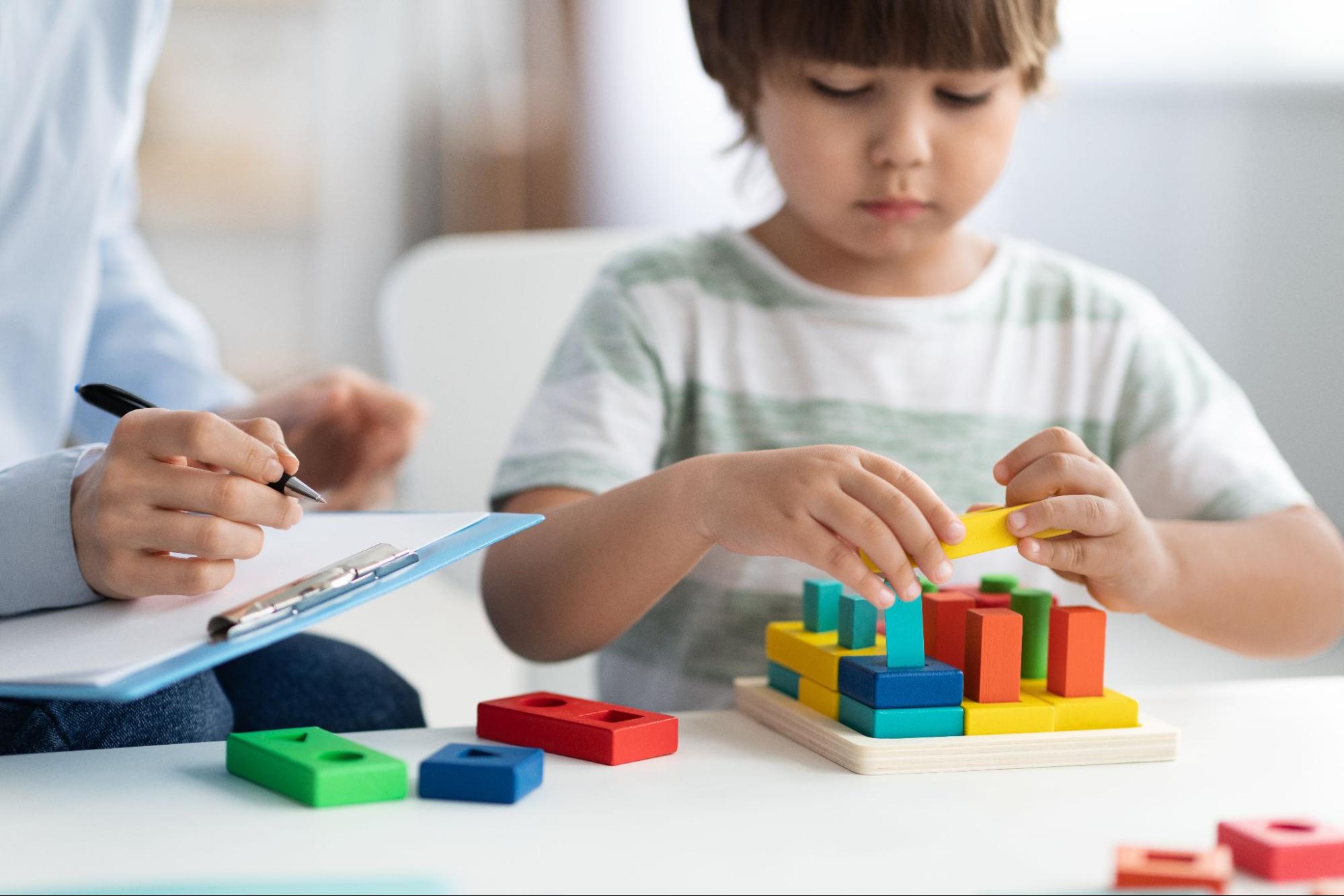


Many parents assume that therapy is where the work happens. But in practice, what happens between sessions, at home, in daily interactions, in small emotional moments, often shapes progress just as much as anything in the therapy room. That’s where parent involvement really matters.
Child therapy does not happen in isolation. A therapist may see a child once a week. Parents see the child every day. That difference matters. Most of the moments that challenge a child, transitions, frustration, anxiety, don’t happen in session. They happen at home. Parent involvement helps bridge what happens in therapy sessions with real life. It supports consistency, reinforces therapeutic strategies, and creates a more stable environment for the child.
Without that connection, progress can feel slow or inconsistent.
It’s easy to think of therapy as something contained within a session. But most change happens outside of it.
Children practice new skills in real life. They test emotional responses at home, at school, and in social situations. If those moments are not supported, therapy has less impact. This is one of the most overlooked parts of parent involvement. The therapy room introduces change. The home environment strengthens it, through repetition, consistency, and how adults respond in real moments.
Parent participation in child therapy is not one-size-fits-all. With younger children, parents are often more directly involved. This may include participating in sessions, learning strategies, and supporting skill development closely.
With older children, especially as they move toward adolescence, involvement shifts. Parents stay informed and supportive, but also respect the child’s need for a private space. A child’s age and developmental stage shape how involvement looks.
Strong outcomes in therapy for children often result from a strong parent–therapist alliance. This often looks like:
When parents and the child’s therapist are on the same page, the therapeutic process becomes more consistent and effective.
If you’re unsure how involved to be in your child’s therapy, we can talk it through.
Children do not learn coping skills once and then automatically apply them. They need repetition. Parent involvement helps children practice new skills in real situations. This includes supporting emotional regulation, responding consistently to behaviour, and reinforcing what is introduced in therapy.
Small interactions matter. How a parent responds to frustration, anxiety, or conflict can either support progress or unintentionally slow it.
Many parents worry about not doing enough. Others feel the urge to be involved in everything. Both can become unhelpful. Effective parent involvement means supporting without taking over. It’s less about directing behaviour, and more about creating the conditions where a child can learn to manage it. It means allowing the child space to express themselves, rather than directing or correcting every moment.
Children also need a sense of privacy in therapy. Not every detail needs to be shared. Respecting that boundary helps build trust in the therapeutic process.
Children are sensitive to differences in how adults respond. If one parent reinforces a coping strategy while another responds differently, it can create confusion. This often shows up as increased behavioural issues, emotional dysregulation, or a child testing limits more frequently, because the expectations feel unclear.
A unified approach helps.
When parents align on expectations, communication, and responses, children experience more stability. This makes it easier to develop new skills and maintain progress.
Many parents look for clear, immediate change. In child therapy, progress is often gradual. It may look like:
These changes can be easy to miss at first, but they reflect meaningful progress in emotional development and well-being.
Support does not need to be complicated. Consistency matters more than intensity. Simple ways to support your child include:
These small, steady actions help children feel supported without turning therapy into pressure.
At Steady Heart Counselling, parent involvement is built into the therapeutic process. Child therapy is collaborative. Therapists work with both the child and the parent to understand what is happening, develop effective strategies, and support change across environments.
If you want a clearer sense of how to support your child, and what role you might play in the process, I offer a short consultation to explore whether this feels like a fit.