
One of the questions people often ask before booking their first appointment is whether online or in-person counselling is “better.” Usually, they’re hoping there is a right answer that will make therapy more effective.
What I often tell people is that the format itself is rarely what determines whether therapy is helpful. More often, it’s whether you feel comfortable enough to show up honestly.
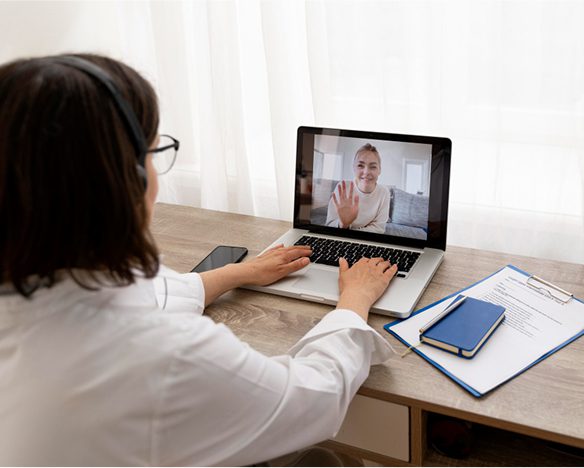
I’ve worked with people who feel more open sitting in my office in Victoria, where having a dedicated space away from daily life helps them settle into the conversation. I’ve also worked with people who have shared things during an online session that they never expected to say out loud because being in their own home helped them feel more at ease.
The environment matters, but not always in the way people expect.
For some people, leaving home and coming into a therapy office creates a meaningful separation from the rest of life. The drive over, sitting in a quiet room, and stepping away from work or family responsibilities can make it easier to slow down and focus.
I also notice that some clients find it easier to stay emotionally present when we’re sharing the same physical space. For them, being face to face creates a stronger sense of connection and allows difficult conversations to unfold more naturally.
Other people have the opposite experience.
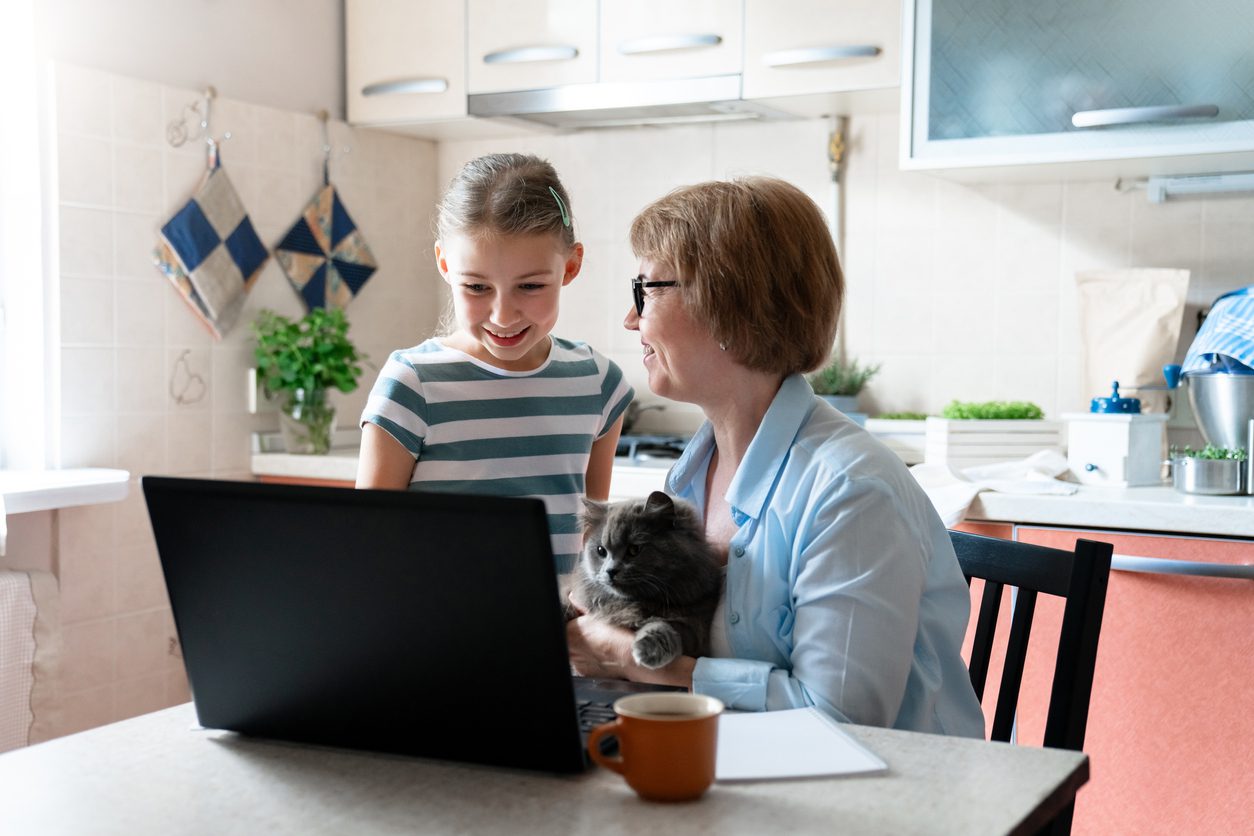
Some clients tell me they feel less anxious talking from their own home. They don’t have to worry about commuting, finding parking, or rushing between responsibilities. Instead, they can settle into a familiar space where they already feel comfortable.
What I often notice is that online therapy works especially well for people whose biggest obstacle is simply making time for themselves. When therapy becomes easier to fit into everyday life, people are often more consistent with it, and consistency tends to matter far more than whether we’re sitting in the same room.
Over time, I’ve found that people rarely look back and say, “I wish I’d chosen the other format.” What they usually remember is whether they felt understood.
The relationship you build with your therapist, your willingness to engage in the process, and having a space where you feel safe enough to be honest usually have a much greater impact than whether your sessions happen online or in person.
The format of therapy matters less than most people expect, but what you’re bringing into the room matters a great deal. Whether sessions happen in person or online, the work often starts in a similar place: understanding what has been getting in the way. For people managing anxiety, that process is explored in more depth in how therapy helps anxiety, and for those weighing up practical coping tools alongside the therapeutic work, anxiety coping strategies offers a useful starting point.
If you’re unsure which option feels right, you don’t have to decide alone. During an initial conversation, we can talk about what you’re looking for, how you tend to feel most comfortable, and whether in-person counselling at my Victoria office or online counselling anywhere in British Columbia is likely to be the best fit for you.
Many people find that the hardest part is simply taking the first step. Once therapy begins, the question often shifts from “Did I choose the right format?” to “Why did I wait so long to have this kind of conversation?”