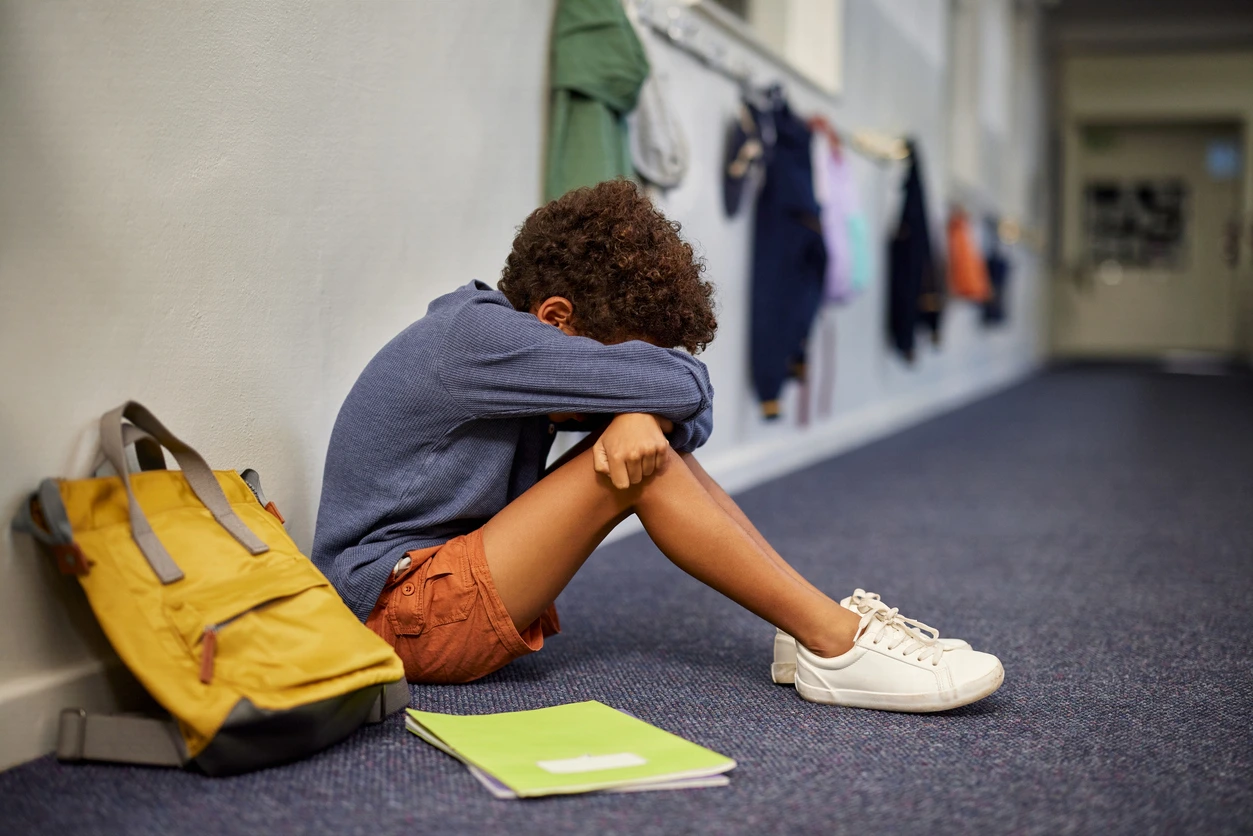

It is 7:42 on a school morning. Your child says their stomach hurts again. You have checked for fever, reassured them that the day will be fine – and now you are watching the clock.
Parents often wonder, “Should I push, comfort, or let them stay home?”
Anxiety is not always loud enough to sound like fear. In children, it can look like stomach aches, irritability, tears over small decisions, repeated questions, trouble sleeping, or a sudden refusal to do something they managed last month.
When parents ask how to treat anxiety naturally, they are often looking for ways to help without immediately turning to medication. Natural support can include predictable routines, movement, sleep, play, emotional connection, gradual practice with feared situations, and child-focused therapy.
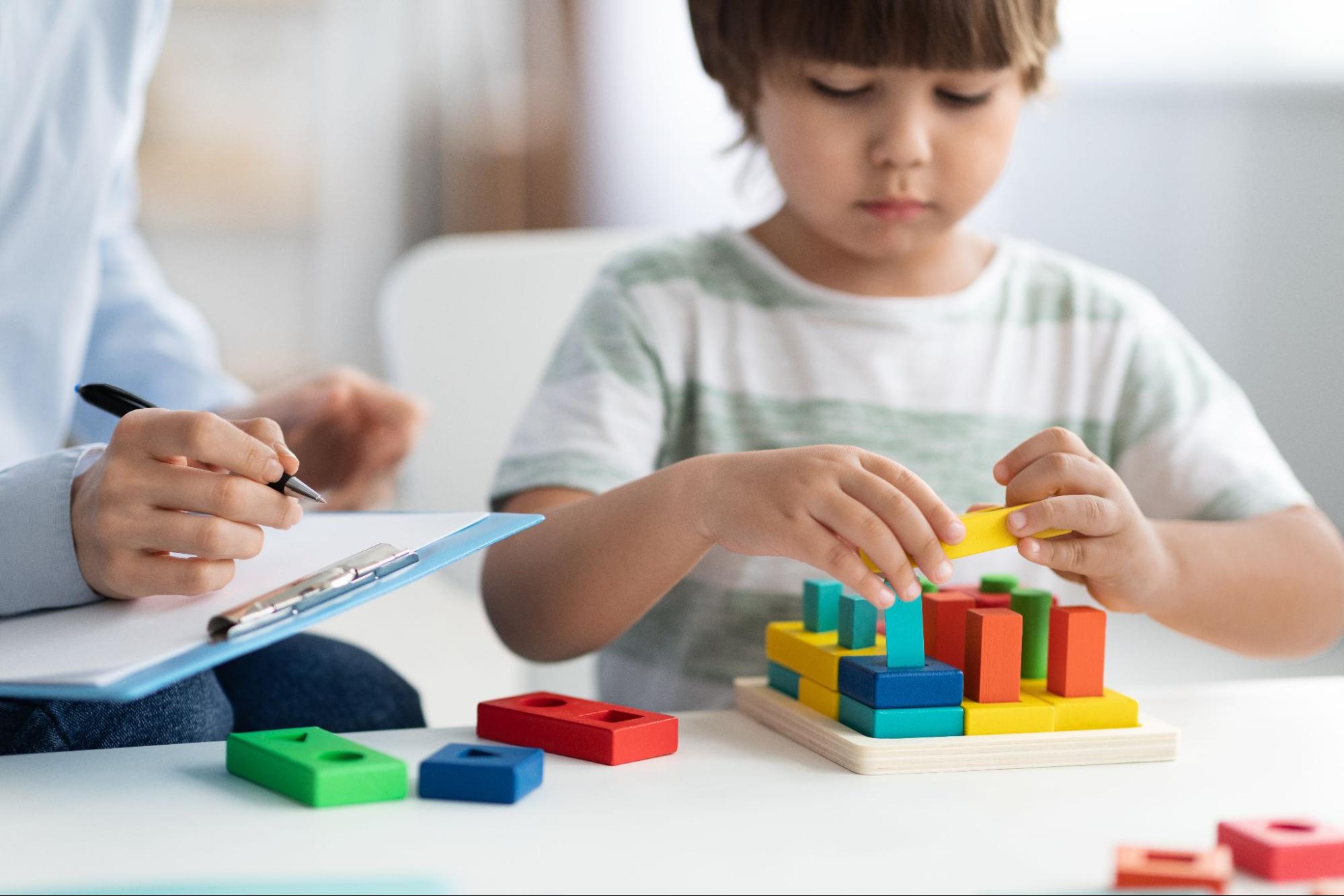
But natural should not mean “handle it alone.” Anxiety that regularly interferes with school, friendships, sleep, family life, or everyday activities deserves professional attention. Psychotherapy – particularly cognitive behavioural therapy—is an evidence-based first-line treatment for many children with mild anxiety. Medication may also be appropriate when symptoms are more severe, in consultation with a qualified health-care provider.
One of the difficult things about childhood anxiety is that the most loving response in the moment can sometimes keep the fear powerful.
A child feels panicked about a birthday party, so the family cancels. Everyone feels immediate relief. But the child’s nervous system may quietly learn: “I was safe because I escaped.”
I see this tension often with families. Parents are not “causing” the anxiety. They are trying to help a distressed child get through the day. The work is not to become less caring; it is to help care take a different shape.
Instead of removing every uncomfortable situation, a parent might say: “I believe you that this feels scary, and I believe you can take one small step.” That step may be staying at the party for ten minutes, walking into school with support, or answering one question without repeated reassurance.
The goal is not to force bravery. It is to help the child discover, in manageable doses, that anxiety can rise and fall without making every decision.
Before children can use coping skills independently, they often borrow steadiness from the adults around them. A slower voice, fewer urgent questions, regular meals, consistent sleep, outdoor movement, and predictable transitions can reduce the uncertainty their system is managing.
It also helps to name what is happening without turning it into an emergency: “Your stomach is telling us you are worried,” or, “It looks like your alarm system switched on.”
Breathing exercises, sensory grounding, drawing, and quiet connection can help the body settle. These tools work best when practised during calm moments, not introduced for the first time in the middle of panic.
Parents sometimes expect therapy to make a child stop feeling anxious. Usually, the first meaningful change is smaller: the child notices anxiety sooner, finds words for it, and becomes less afraid of the feeling itself.
In my work, I am interested in what the anxiety is protecting and what the family has had to organize around it. We may look at avoidance, reassurance, perfectionism, separation, or physical complaints. Then we build small experiments that feel challenging enough to create confidence, but not so overwhelming that the child feels pushed or misunderstood.
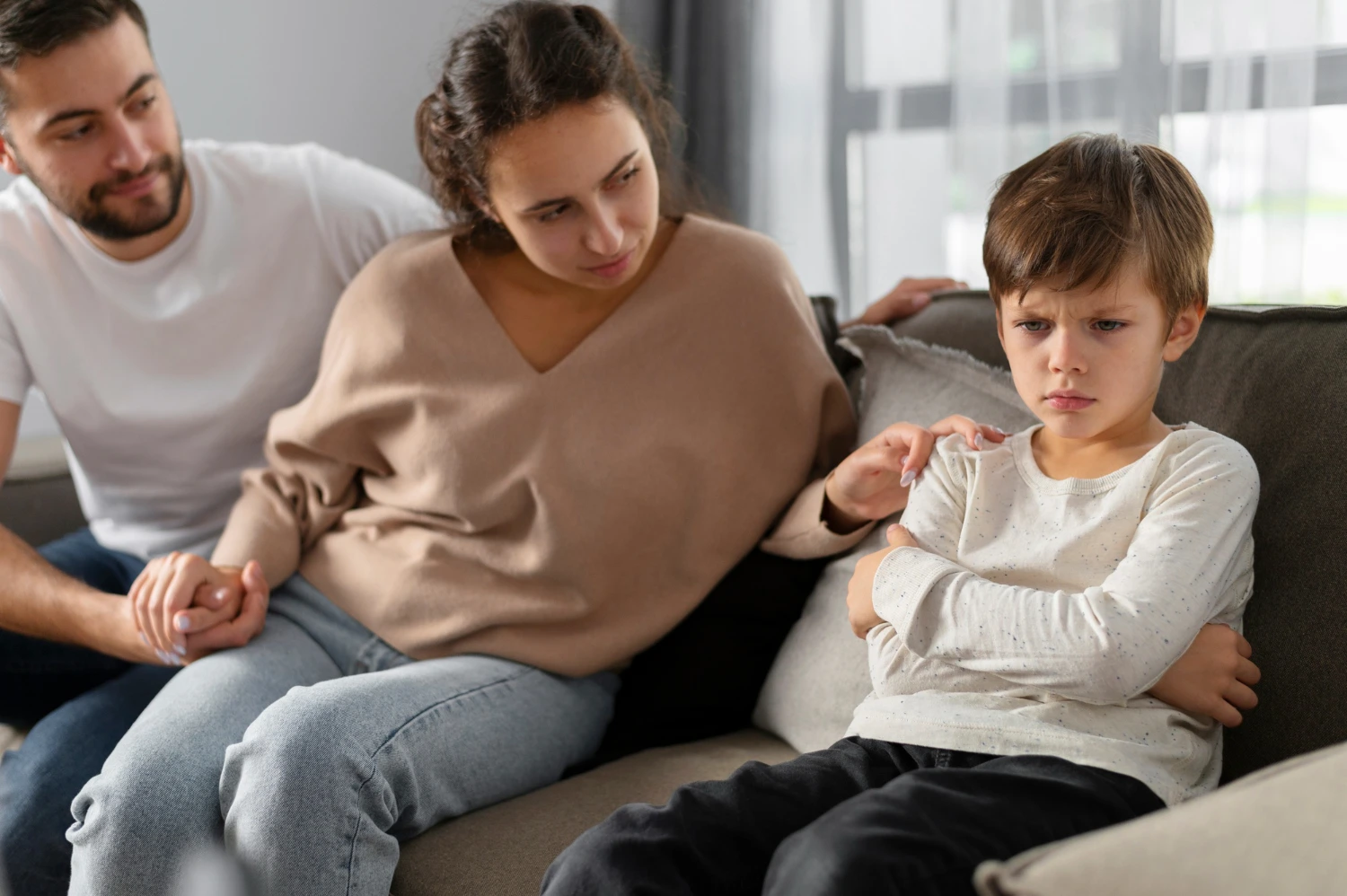
Parents are part of this process. They learn how to validate fear without confirming that the situation is dangerous, and how to support a brave step without demanding a dramatic leap.
Consider speaking with your family doctor, paediatrician, or child therapist when worry is persistent, physical complaints keep returning, or anxiety begins deciding whether your child attends school, sleeps alone, joins activities, or spends time with friends.
For families in Victoria, BC, therapy can offer a place to understand not only what your child fears, but how the whole family has been working around that fear. You do not need to wait until anxiety controls everything. Often, the right time to reach out is when you realize your family is spending more and more energy trying to prevent it from appearing.
I work with children and families in Victoria, and I offer a 15–20 minute consultation for parents who want to talk through what they’re seeing. Sometimes that conversation alone brings clarity. Sometimes it’s the beginning of something more. Either way, you don’t have to keep navigating it alone.