
A child-centred approach that meets children where they are in their natural language of play.
For me, success with children begins by engaging them in their world and meeting them where they are.
Paul Cellarius (RCC, CCC, MA) – Certified Child Therapist in Victoria, BC
Play therapy is a child-centred approach to counselling that uses drawing, storytelling, sand-tray activities, imaginative play, and creative expression as key forms of communication. For children, play is more than an enjoyable activity – it is a natural way to process experiences, express emotions, and make sense of the world around them.
This therapeutic approach can be especially helpful for children who find it difficult to talk about their feelings or who have experienced something challenging or distressing. Instead of expecting a child to sit and explain complex emotions, play therapy provides a safe, supportive, and low-pressure environment where expression and healing can unfold naturally.
Sessions may include drawing, clay, puppets, storytelling, sand-tray activities, or other age-appropriate methods selected according to each child’s needs and comfort level. The goal is to help children feel heard and understood, strengthen their emotional regulation skills, and develop greater confidence in themselves.
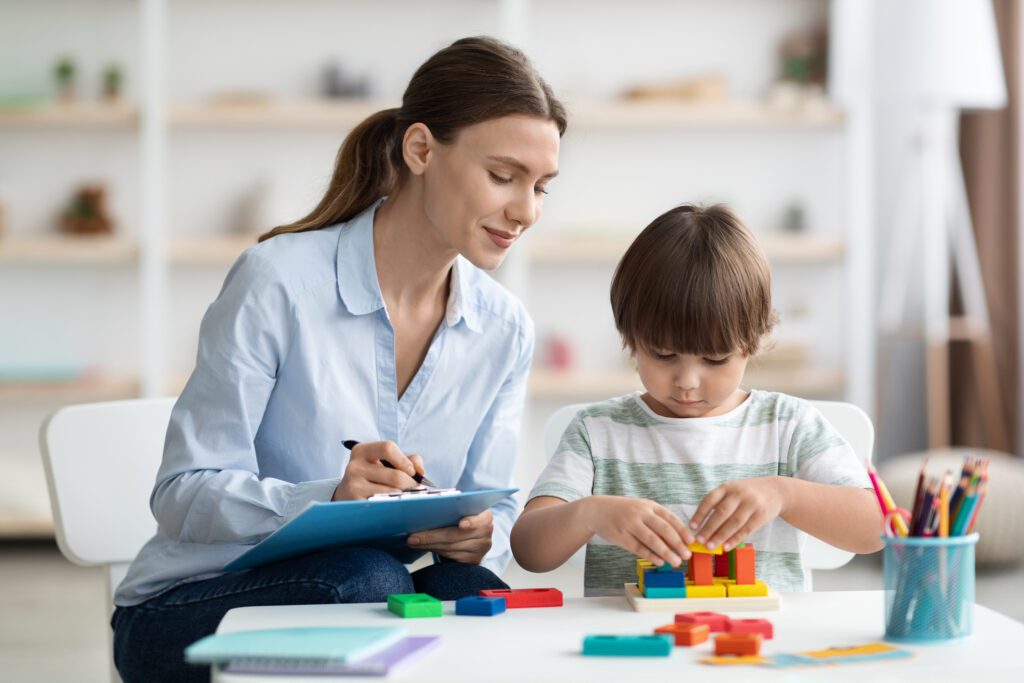

Play therapy can support children experiencing a wide range of emotional, behavioural, and developmental challenges. It is particularly helpful for children who find it difficult to express their feelings verbally or who are processing experiences they may not yet have the words to describe.
Common concerns that play therapy may help address include:
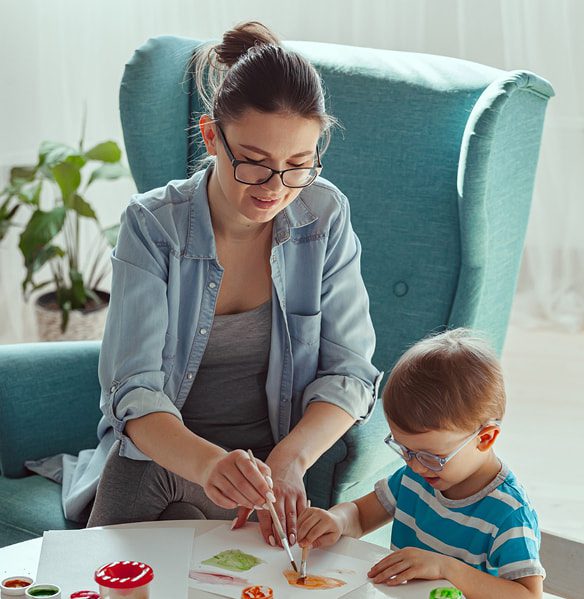
Play therapy differs from everyday play because a trained therapist observes, reflects, and gently guides the process. This helps children feel understood and supported as they work through challenging emotions and experiences. The child leads the session, while the therapist follows their cues and provides a safe, accepting environment.
During each session, children can explore a variety of therapeutic materials, including art supplies, sand-tray materials, puppets, toys, and books. Activities are selected according to what feels most natural and comfortable for each child. Children are not pressured to explain their feelings verbally. Instead, they can communicate through play, allowing the therapist to support meaningful expression and emotional healing.
Because play therapy is child-directed, children can participate at their own developmental level and progress at a pace that feels manageable. Over time, the process can help them develop healthier ways to express emotions, cope with stress, solve problems, and build stronger relationships with the people around them.
Play therapy at Steady Heart Counselling usually begins with a parent taking a session without your child present, where we talk about what you have been noticing, your child’s background, and what you are hoping to see change. This gives me the context I need before meeting your child, and gives you a chance to ask questions.
From there, I meet with your child individually. Sessions are 50 minutes. I work with children from age 5 upward, and adapt the approach based on what each child responds to whether that means sitting and talking, working through something in the sand tray, drawing, or something else entirely.
Throughout the process, I check in with parents regularly sharing what themes are emerging in sessions (without breaking your child’s trust) and offering practical guidance on how to support them at home. The work in the therapy room is most effective when it connects to what happens in everyday family life.
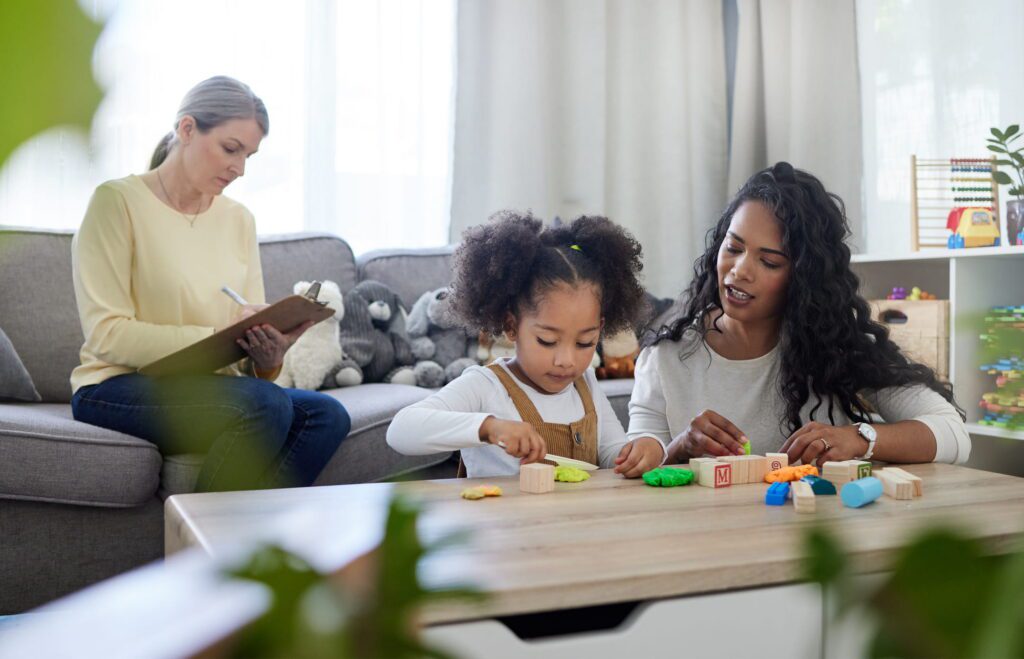
Parents play an essential role in the play therapy process. While your child’s sessions are private, I work closely with you to help you better understand what your child may be experiencing and how you can respond at home in ways that strengthen connection, trust, and emotional security.
Parent involvement may include guidance on communicating with your child, supporting them through intense emotions, and responding when challenges arise between sessions. The level of involvement will depend on your child’s age, needs, and treatment goals while respecting the confidentiality of the therapeutic relationship.
For some families, family therapy or a dedicated parent-support session may also be a helpful next step.


I work with children who feel overwhelmed, uncertain, or unable to express what they are experiencing. In play therapy, I meet each child where they are, move at a pace that feels safe and comfortable, and use age-appropriate activities suited to their individual needs and personality.
I am also trained in Acceptance and Commitment Therapy (ACT) and Motivational Interviewing. I bring a calm, patient, and attentive presence to this work, helping children feel safe and supported – especially when emotions become overwhelming.
As a Registered Clinical Counsellor (RCC) and Canadian Certified Counsellor (CCC) registered with the BC Association of Clinical Counsellors, I am committed to evidence-informed, ethical care.
What I offer is a grounded, child-centred approach informed by depth psychology and adapted to each child’s developmental stage and temperament. If you have questions about my training or approach, I am happy to talk through them during the Free 15-Minute Consultation.
Play therapy is one of the core approaches I use within
Play therapy is one of the core approaches I use within child therapy. For children ages 5 to 12, it is often the most natural and effective way to begin. Depending on the child’s age, temperament, and what they are working through, sessions may combine play with art, conversation, or other approaches always adapted to what feels right for that child.
For teenagers, I offer teen therapy a different but related approach tailored to adolescents ages 13 to 18.

Child therapy is the broader term for counselling with children. Play therapy is one approach within child therapy, one that uses play as the primary language rather than talk. Most of my work with children ages 5 to 12 incorporates play therapy to some degree, combined with other age-appropriate approaches.
Play therapy tends to work well for children who have a hard time putting feelings into words, or who have been through something stressful or upsetting. It is also helpful for children who are anxious, withdrawn, angry, or showing behavioural changes that are hard to explain. If you are unsure, a Free 15-Minute Consultation is a good place to start.
I work primarily with children ages 5 to 12 using play-based approaches. For younger children, I adapt the approach based on developmental stages. For teenagers, I offer dedicated
There is no set number. Some children make meaningful progress in 6 to 10 sessions; others benefit from longer-term support. The pace depends on what your child is working through, how they respond to the sessions, and how things are going at home. I discuss this with parents regularly throughout the process.
Some play therapy activities translate well to screen storytelling, drawing, and certain expressive approaches work well remotely. For younger children, or those who need the physical experience of the playroom, in-person sessions are usually preferable. Learn more about online therapy at Steady Heart Counselling, or we can discuss what makes sense for your child during the consultation.

If your child is struggling, with big emotions, anxiety, trauma, or something harder to name, play therapy offers a gentle, creative space to begin. Steady Heart Counselling provides play therapy and child therapy in Victoria, BC, and online for families across British Columbia. Reach out to book a Free 15-Minute Consultation or to ask whether this might be a good fit for your child.
Children do not always have the words for what they are carrying. Play therapy gives them another way in, a safe, creative space where feelings can surface and healing can happen at their own pace.
I offer play therapy and child therapy in Victoria, BC with patience, warmth, and genuine care. Sessions are available in person or through online counselling for families across British Columbia.