

Many children experience some level of anxiety at different ages. When support and coping skills are introduced early, anxiety is often manageable and treatable, as explored in how to help a child with anxiety about school.
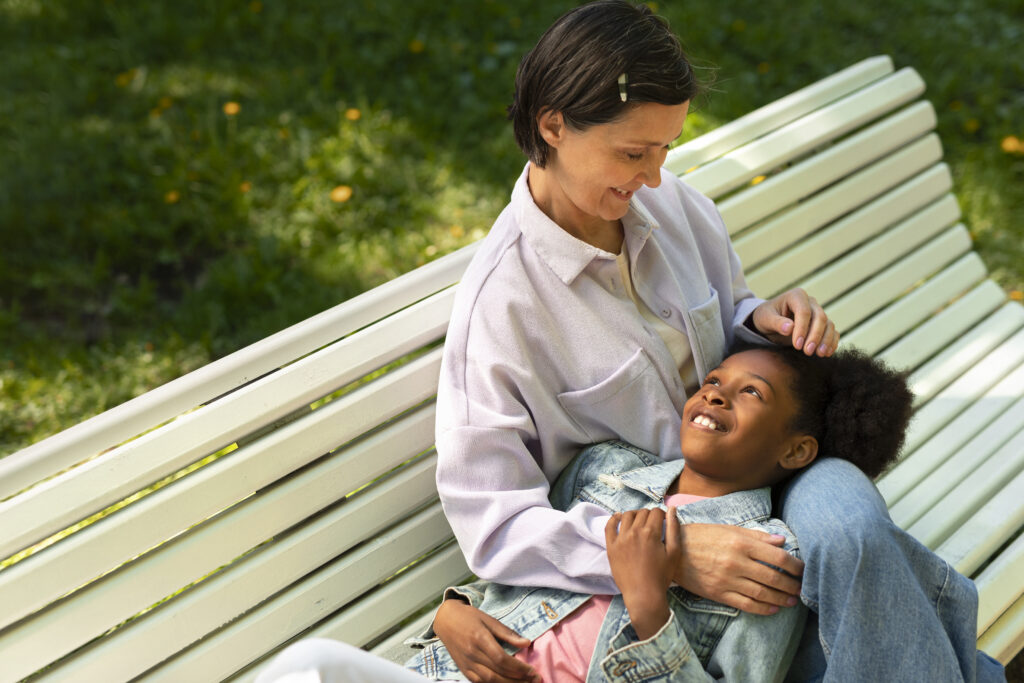
How to help kids with anxiety is a question many parents ask when worry starts interfering with school, friendships, or daily life. Anxiety in children is common, and in many cases, it is a normal part of development. But when fear becomes intense, persistent, or disruptive, children may need more structured support.
Most children experience anxious feelings at different ages. The goal is not to eliminate anxiety entirely. The goal is to help a child manage anxiety in healthy, confident ways.
This article explains what anxiety in children looks like, what causes it, what parents can do, what to avoid, and when a child therapy may be necessary.
Anxiety is a normal response to stressful situations. A big test, a new school year, or a social event can make many children feel nervous. These worries usually pass once the situation ends. An anxiety disorder is different. Anxiety becomes a concern when fear or excessive worry persists, causes physical symptoms, or interferes with daily life. If a child avoids school, struggles to sleep, experiences intense fear, or frequently feels sick due to worry, it may be more than typical stress.
Understanding this difference helps parents respond calmly and appropriately.
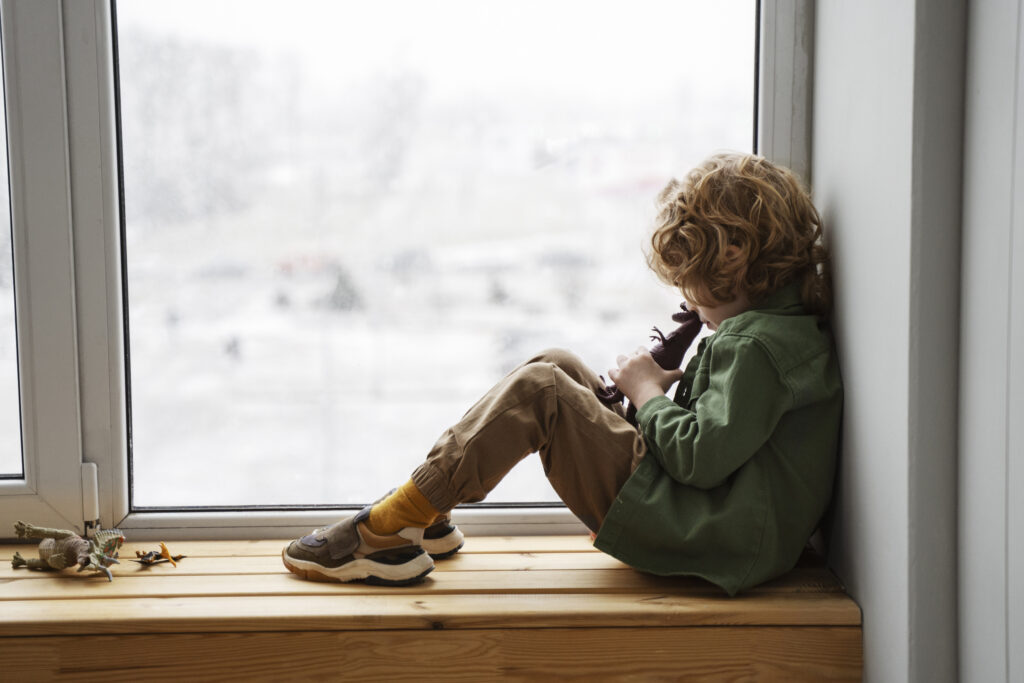
Children do not always say, “I feel anxious.” Anxiety often shows up through behaviour or physical symptoms. Common signs include:
If several of these symptoms persist, it may indicate that a child is struggling to manage anxiety independently.
There is rarely one single cause of anxiety in children. It usually develops from a combination of temperament, life experiences, and environmental stress.
Common contributing factors include:
Many children experience some level of anxiety at different ages. When support and coping skills are introduced early, anxiety is often manageable and treatable, as explored in how to help a child with anxiety about school.
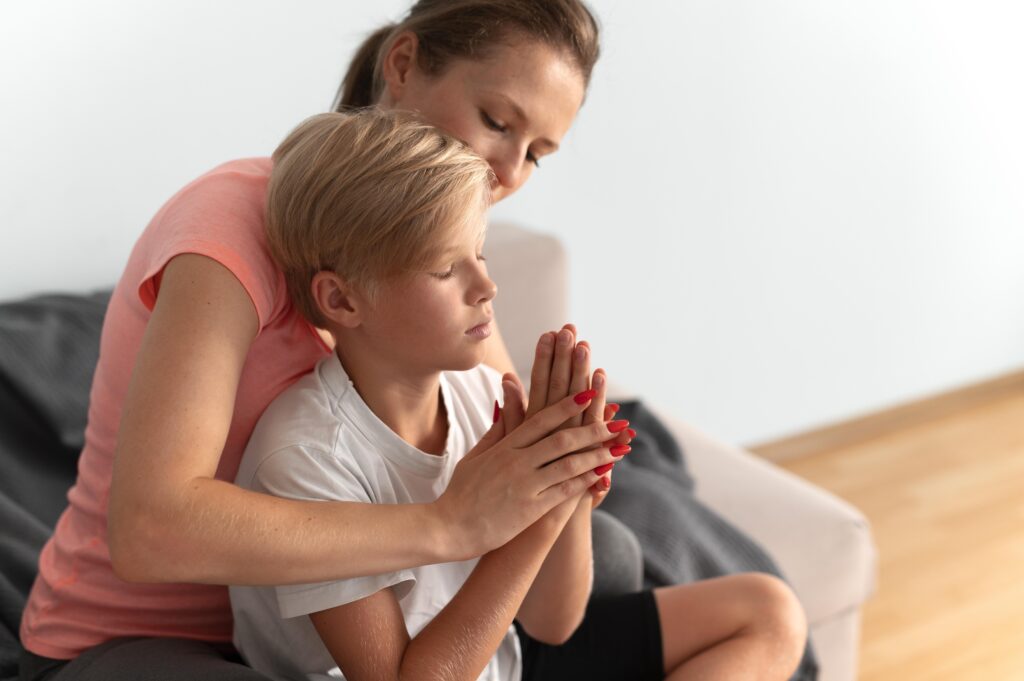
Parents play a central role in helping a child manage anxiety. Small shifts in response can make a meaningful difference.
Start by acknowledging your child’s feelings. Saying, “I can see this feels scary,” shows empathy. At the same time, avoid confirming unrealistic fears. Instead of agreeing that something is dangerous, gently reinforce confidence in their ability to cope.
Children need reassurance that their feelings are understood, not that their fear is always accurate.
Avoidance can provide short-term relief but often strengthens anxiety over time. When possible, encourage gradual exposure to feared situations in small, manageable steps.
If a child feels anxious about school, start with partial attendance or specific goals rather than complete avoidance. Small successes build confidence and reduce anxiety over time.
Simple calming techniques can help children regulate physical symptoms of anxiety. Practice deep breathing together during calm moments, not only during stressful situations.
Slow deep breaths, grounding exercises, and predictable routines can help children regain a sense of control when feeling overwhelmed.
Children observe how adults handle stress. If caregivers respond to challenges calmly and constructively, children are more likely to learn those same coping skills.
Avoid catastrophic language or excessive worry in front of children. Modelling emotional regulation helps build resilience.
Helping a child with anxiety often involves more than managing fear in the moment, it also means building the underlying skills that allow children to tolerate and recover from difficult feelings. Understanding emotional regulation skills for kids can give parents a practical framework for supporting these deeper capacities alongside anxiety-focused strategies.
Consistency reduces uncertainty, which often fuels anxiety. Clear routines, structured expectations, and a supportive home environment help children feel safe.
Spending time together, maintaining open communication, and providing steady encouragement can strengthen a child’s confidence in managing difficult feelings.
Well-intentioned responses can sometimes unintentionally increase anxiety.
Stepping in immediately to remove a stressful situation may reduce distress in the moment, but it can reinforce avoidance. When children learn that anxiety leads to escape, fear often grows stronger.
Instead, support gradual coping while staying present and encouraging.
Statements like “You’re fine” or “There’s nothing to worry about” may shut down communication. While meant to comfort, they can make children feel misunderstood.
Listening and validating emotions helps maintain trust.
Repeated reassurance may temporarily calm anxiety but can create dependence. Instead of constantly answering worried questions, encourage problem-solving and self-confidence.
When anxiety dictates routines, family activities, or daily decisions, it can limit growth. Gentle, consistent expectations help children build tolerance for discomfort and develop coping skills.
Sometimes anxiety becomes severe or persistent despite consistent support at home. Help from mental health professional may be necessary if:
Early intervention can prevent anxiety from becoming more entrenched.
At Steady Heart Counselling, child therapy is designed to help children manage anxiety in developmentally appropriate ways. Our child therapy focuses on building practical coping skills, emotional regulation strategies, and gradual confidence in facing fears.
Using evidence-based approaches such as cognitive behavioural therapy, therapists help children identify worried thoughts, challenge unhelpful patterns, and develop new skills that support resilience. Parents are often involved in the process to reinforce strategies at home and strengthen the child’s support system.
The goal of children counseling is not to eliminate anxiety completely. It is to help children feel capable, supported, and confident in managing it.