

The benefits of play therapy often become clear when a child is struggling but can’t explain why. Instead of putting feelings into words, children tend to show distress through behaviour, withdrawal, or sudden changes in mood. For parents, this can feel confusing or frustrating, and hard to know how to respond.
Play therapy offers a different way in. It allows children to express what they’re experiencing without needing the right words. Through guided play, a child therapist can begin to understand the child’s inner world and help them process difficult emotions in a way that feels safe.
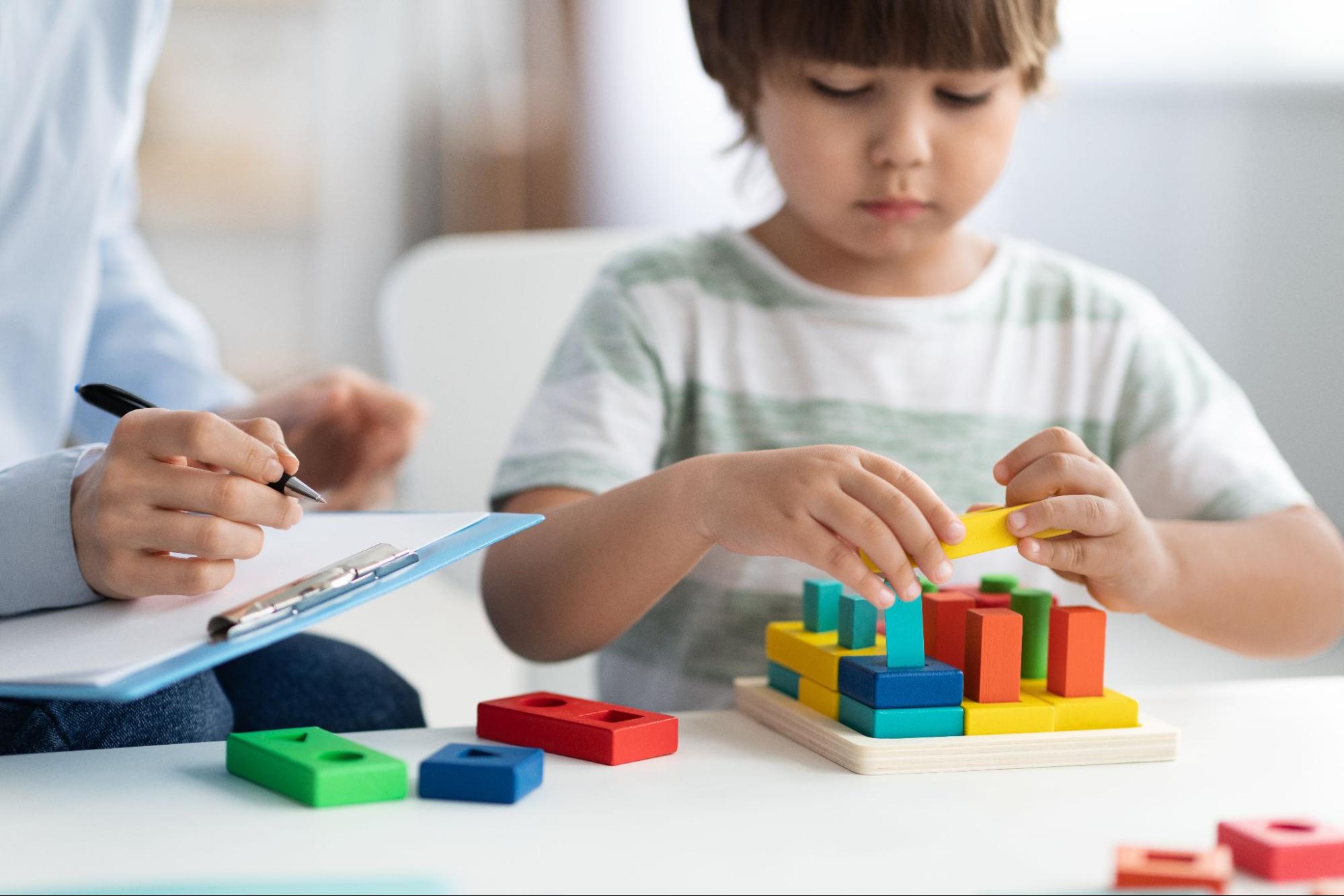
Play therapy is a structured form of therapy that uses play as the child’s primary way of communicating. A trained play therapist creates a safe, consistent environment where children can explore thoughts, emotions, and experiences through play. This may involve toys, storytelling, role play, or creative expression.
Unlike regular play, therapeutic play is intentional, guided by the therapist to understand emotional patterns, themes, and behaviour. The therapist observes patterns, emotional themes, and behaviours to understand what the child may be struggling with.
This approach is especially useful for children who have difficulty expressing emotions verbally or who are dealing with overwhelming experiences.
If you’re wondering whether this approach might fit your child, child therapy may be a good place to start.
Children do not process experiences the same way adults do. When something feels overwhelming, they are more likely to act it out than talk it through. A child may become more irritable, withdrawn, or reactive without being able to explain why, especially during transitions, at school, or around separation from a parent.
Play therapy works because it meets children where they already are. It gives them a way to:
This is one of the core benefits of play therapy. It allows emotional expression to happen in a way that feels natural rather than forced.
Play therapy sessions are structured but flexible. The therapist creates a safe space, introduces appropriate materials, and follows the child’s lead while staying attentive to patterns and emotional themes. Over time, the child begins to:
Sessions may include activities such as role play, storytelling, or sandplay therapy, depending on the child’s needs.
Play therapy supports both emotional development and behavioural change.
Many children struggle to describe what they feel. Play therapy allows them to express emotions through actions instead of words.
This often leads to a clearer understanding of emotional needs and reduces the pressure children feel when they can’t find the right words.
Children experiencing intense emotions often lack the tools to manage them. Through therapy, children begin to recognize emotional patterns and respond in more controlled ways. This can lead to fewer outbursts and improved emotional stability through repeated experiences of being supported in those moments.
When children feel understood, their sense of self begins to shift. A consistent therapeutic environment helps children feel safe enough to explore their thoughts without judgment. Over time, this supports stronger self-esteem, especially in a consistent, non-judgmental space.
Play allows children to experiment. They test scenarios, explore outcomes, and learn how to approach challenges differently. This builds flexible thinking and creative problem-solving skills.
Children who struggle socially often benefit from play-based interaction. They begin to understand boundaries, communication, and how to respond to others in a more regulated way. These changes often carry into school and peer relationships, where challenges tend to show up most clearly.
Children who experience trauma often cannot explain what happened.
Play therapy provides a safe space to process those experiences gradually. Instead of reliving events verbally, children can work through them symbolically in a way that feels manageable.
If you’re noticing some of these patterns, we can talk through whether play therapy might help.
Most parents don’t start by thinking, “My child needs therapy.” They notice patterns. A child who used to be easygoing becomes more reactive. Or more withdrawn. Maybe school becomes harder. Maybe emotions feel bigger than the situation.
If you’re in Victoria, BC and wondering whether play therapy could benefit your child, recognizing these signs can help you decide when professional support may be helpful. Here are some signs to look for:
One of these on its own doesn’t always mean something is wrong, but when patterns persist, it’s usually worth taking a closer look.
A session might look like a child playing, which can seem simple from the outside, but is often quite meaningful for the child. The therapist is paying attention to patterns. Repetition. Emotional reactions. The way the child approaches situations in play.
Over time, those patterns begin to shift. You might not see a big moment where everything changes. More often, it shows up in small ways that tend to build over time rather than all at once. Fewer meltdowns. Better transitions. A child who seems a bit more settled in themselves.
A lot of parents wait, which is understandable. Not because they’re ignoring it, but because they’re hoping things will settle on their own. Sometimes they do. Sometimes they don’t. The question isn’t whether something is “serious enough.” It’s whether things have been off for a while and aren’t improving. If you’re noticing signs that won’t go away, recognizing child stress symptoms early can help you decide when it’s time to reach out.
Steady Heart Counselling provides child therapy that is structured, individualized, and grounded in evidence-based approaches. Play therapy sessions are designed to help children express emotions, develop coping strategies, and improve overall well-being.
If you’re wondering whether play therapy might help your child, I offer a short consultation to talk through what you’re seeing and whether this feels like a fit.