

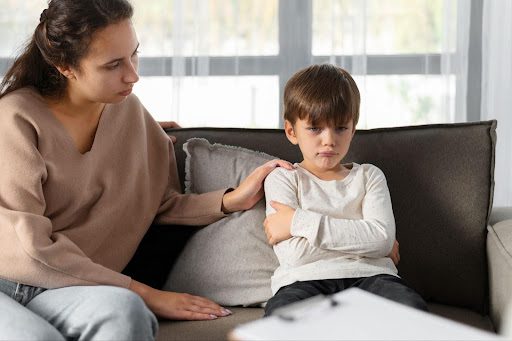
Emotional regulation for kids is the ability to understand emotions, manage reactions, and cope with difficult feelings in healthy ways. It influences how children respond to frustration, anxiety, anger, and disappointment in everyday situations such as school, friendships, and family life.
Many parents begin searching for emotional regulation when emotional reactions feel bigger or harder to calm than expected. Meltdowns happen more often. Small challenges trigger intense responses. These moments are not signs of bad behaviour. They are signs that a child’s regulation skills are still developing and may need more structured support.
This article explains emotional regulation in practical terms and shows how children build these skills over time, both at home and with the right professional support.
Emotional regulation refers to how children recognize emotions, understand what they are feeling, and choose how to respond. It involves emotional awareness, physical regulation of the body, and behavioural control.
You may see this described as emotional regulation, emotion regulation, or self-regulation. All refer to the same core skill: managing one’s own emotions without becoming overwhelmed. Emotional regulation does not mean suppressing feelings. It means learning how to experience emotions and recover from them in healthy ways.
For some children, these skills develop naturally with time and guidance. For others, emotional regulation needs to be explicitly taught and practiced, which is where child-focused therapeutic support can be especially helpful.
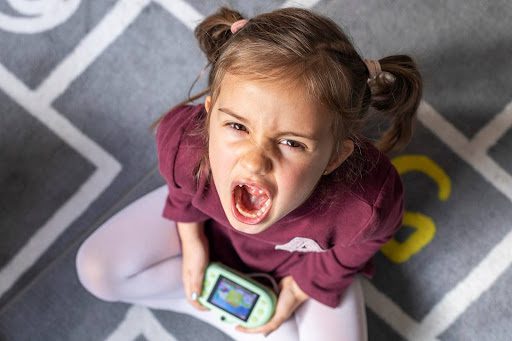
Emotional dysregulation occurs when emotions feel too intense for a child to manage effectively. The behaviours that follow are often misunderstood, but they reflect limited regulation skills rather than intentional behaviour. In daily life, dysregulation may appear as:
Some children externalize emotions through anger, while others internalize emotions through avoidance. Both patterns benefit from targeted support that focuses on emotional awareness and regulation skills.
Children develop emotional regulation skills at different rates. Younger children naturally rely on adults to help them calm and organize their emotions. Some children also experience emotions more intensely, which makes regulation harder even as they grow older.
Anxiety, stress, transitions, and changes in routine can further affect a child’s ability to regulate emotions. Emotional regulation is a learning process shaped by experience and environment. When challenges persist, structured support can help children practice these skills in a safe, guided way.
Children learn emotional regulation primarily through relationships. Before they can self-regulate, they rely on adults for co-regulation. A calm adult helps the child feel safe, name emotions, and settle their body. Through repeated experiences of co-regulation, children gradually internalize these skills. Over time, they begin to:
Child therapy builds on this process by offering consistent, developmentally appropriate opportunities to practice regulation skills beyond the home environment.
Practical emotional regulation strategies work best when they are part of daily life, not just used during emotional crises. Children need repeated experiences of calm guidance to build skills they can use under stress.
Supporting regulation often starts with slowing interactions down. Pausing before responding, offering reassurance, and creating predictable routines help reduce emotional intensity. When children feel safe and understood, their nervous system is better able to settle.
During moments of frustration or anger, regulation improves when expectations are clear, and tasks feel manageable. Breaking challenges into smaller steps, practicing difficult situations ahead of time, and reinforcing effort rather than outcome all support emotional learning. These are the same principles often reinforced in child therapy sessions.