
The effects of divorce on children are not always immediate or obvious. Many children experience parental divorce differently, depending on their age, family dynamics, and what is happening around them. Some children show clear emotional reactions. Others seem to adjust at first, then struggle later in ways that are harder to connect back to the divorce itself. A change in mood, behaviour, or routines can reflect how a child is processing what is happening around them.
For many parents, the concern is not just how divorce affects their child, but how to support them through it in a way that protects their well-being over time.
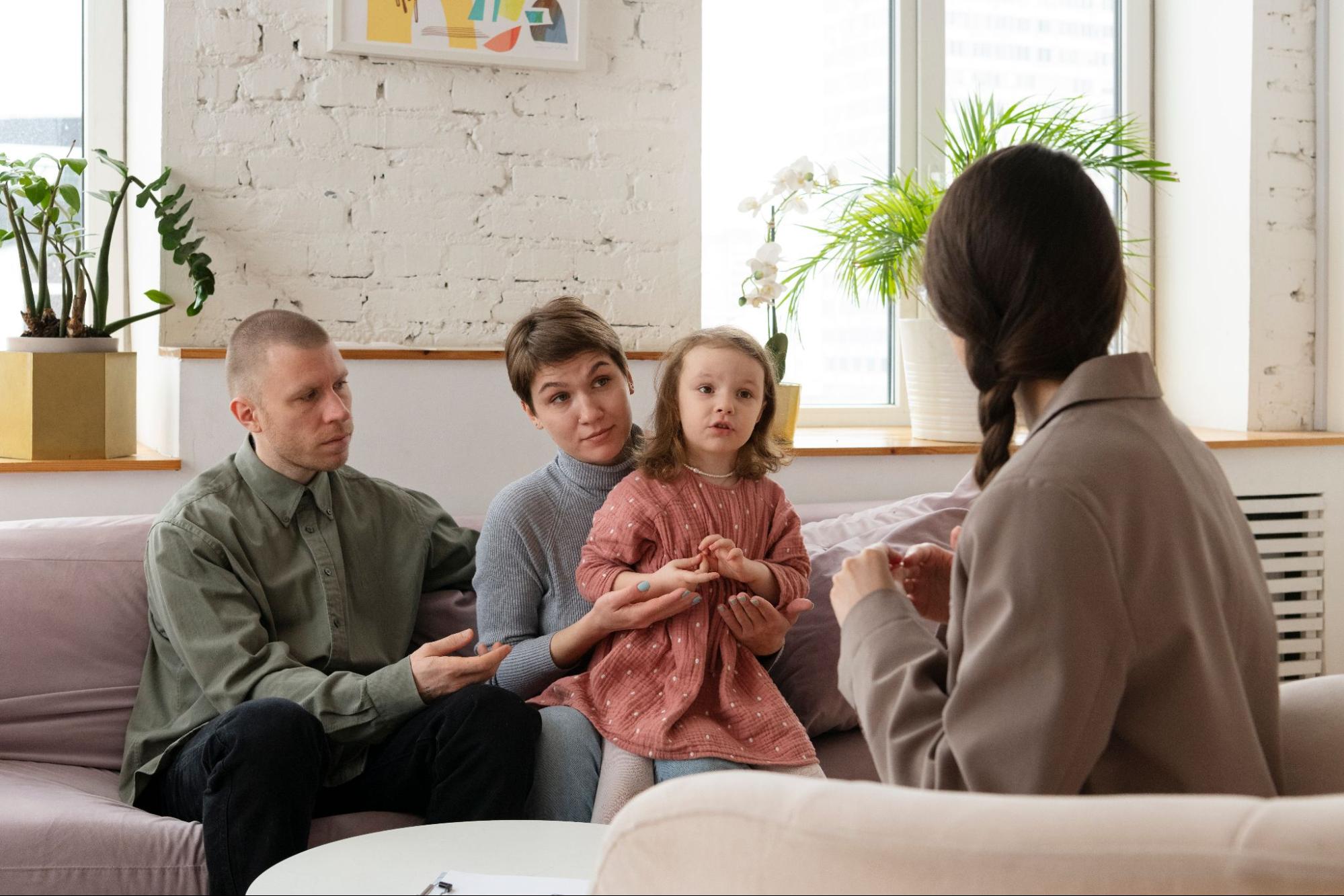
Sometimes the changes are subtle. A child may act differently between homes or react more strongly during transitions. In situations like this, support for children navigating family changes at Steady Heart Counselling in Victoria can help them work through those shifts in a way that feels more stable.
Divorce often brings changes that go beyond the separation itself. Children may need to adjust to new routines, different expectations between homes, and shifts in their relationship with each parent. For children involved in the divorce process, these changes can feel confusing, even when both parents are trying to create a supportive environment.
Children are not only responding to the divorce. They are responding to family disruption, changes in daily life, and how conflict or communication is handled between parents.
Children often experience a mix of emotions during and after parental divorce. Sadness is common, especially as children adjust to changes in their family structure. Some may feel a sense of loss, even when both parents remain involved.
Anger can also appear, particularly when children feel a lack of control or do not fully understand the situation. This may show up as frustration, irritability, or strong emotional reactions.
Guilt is another response that can be easy to miss. Some children quietly believe they contributed to the separation, even when this is not the case.
These emotional responses are part of a difficult time, and they often shift depending on what the child is experiencing day to day.
The effects of divorce on children often show up through behaviour rather than words. Some children become more withdrawn. They may lose interest in activities, pull back from friends, or seem less engaged at school. Others become more reactive, showing emotional outbursts or difficulty managing frustration.
You may also notice changes in academic performance, especially during periods of transition between homes or schools. Socially, children may either withdraw or seek more reassurance from parents and peers. These patterns reflect how the child is coping with stress rather than intentional behaviour.
Some children express distress clearly. Others show it more gradually through small changes in behaviour, mood, or daily routines. You might notice:
These signs do not always appear all at once. Often, it is the pattern over time that signals a child may be having difficulty adjusting.
Children respond to divorce differently at various stages of childhood. Younger children often react to immediate changes. They may have difficulty with separation, transitions, or changes in routine.
School-age children are more aware of what is happening but may struggle to express their thoughts and feelings clearly. This can lead to mixed emotional and behavioural responses.
Older children and teens may process divorce more internally. They may withdraw, spend more time alone, or appear unaffected while still experiencing stress or anxiety.
Understanding how different ages respond helps parents support their child in a way that matches their developmental stage.
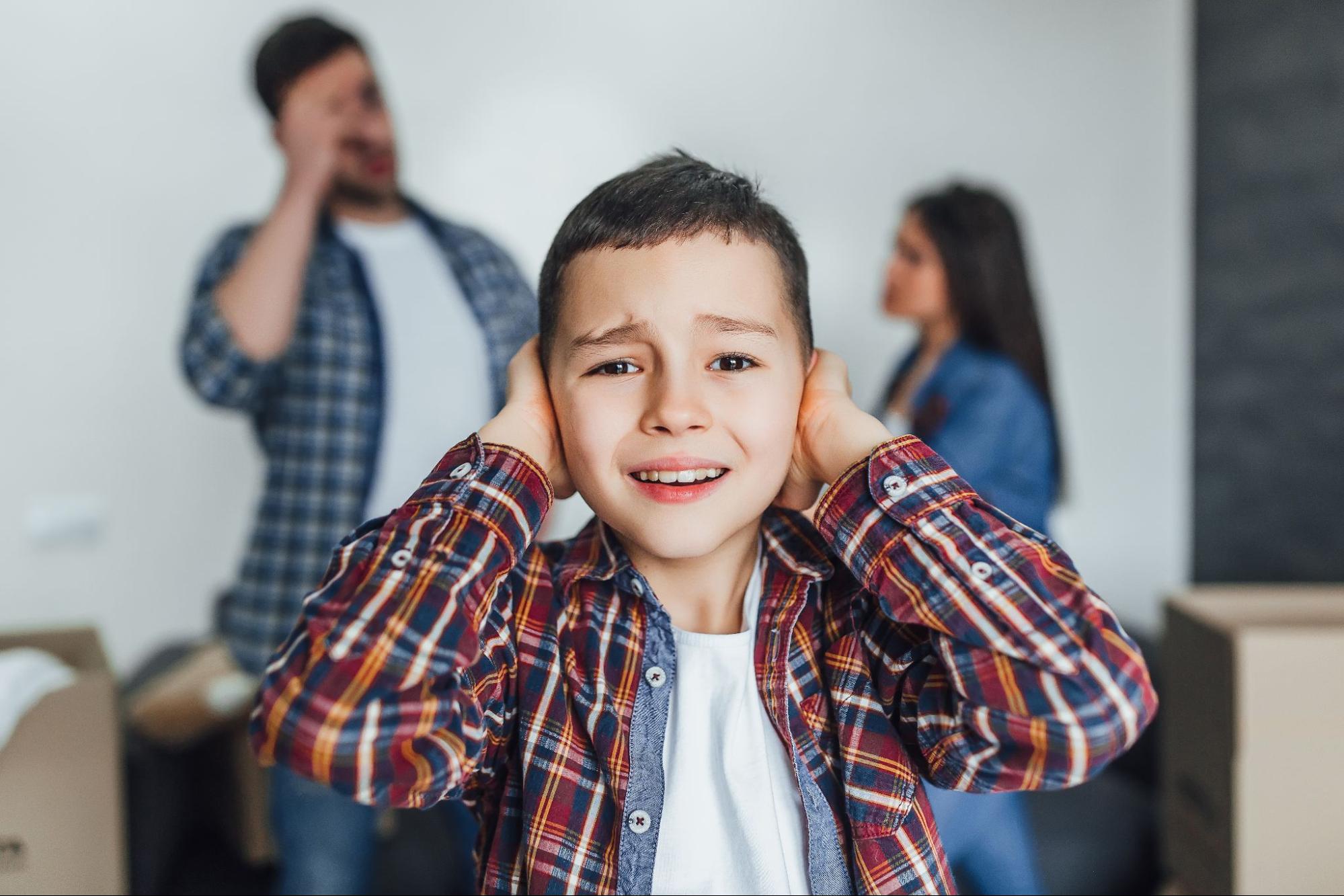
Research suggests that the impact of divorce on children is shaped by many factors, not just the separation itself. Parental conflict is one of the most significant influences. Ongoing tension between divorced parents can increase stress and make it harder for children to adjust.
Consistency between homes also plays a role. When routines, expectations, and communication are relatively stable, children tend to cope more effectively.
The quality of parenting and the parent-child relationship are equally important. Children cope better when they feel supported, heard, and connected to both parents.
It is often assumed that divorce always leads to negative effects or long-term harm.
In reality, outcomes vary.
Some children experience long term effects, particularly when stress, instability, or conflict continues. Others adjust well over time, especially when they feel supported and experience stability in their daily lives. The divorce itself is only one part of the picture. Many factors influence how children cope and what their long-term outcomes look like.
Supporting a child through divorce is less about having the right answers and more about creating stability. Children benefit from knowing both parents remain present and involved in their lives. Clear communication helps reduce confusion, especially when children are not placed in the middle of adult concerns.
It also helps to create space for emotions. Children may need time to process their feelings, and those feelings may change over time.
Consistent routines, school involvement, and ongoing connection with friends can support a child’s sense of stability during a period of change.
Some children adjust with time and support from family. Others may continue to struggle.
If changes in behavior, mood, or functioning persist, it may be a sign that additional support is needed, such as speaking with a child therapist. This can include ongoing anxiety, withdrawal, difficulties at school, or strong emotional reactions that are hard to manage.
Recognizing these patterns early can help prevent challenges from becoming more established.
At Steady Heart Counselling in Victoria, BC, we’re here to support you through this challenge. If your child is facing emotional or behavioral difficulties, therapy can be a powerful and genuinely engaging way to help.